Author: chinthaamanitour@gmail.com

  • Whales: Giants of the Ocean

    Whales: Giants of the Ocean

    Whales are among the largest and most remarkable animals on Earth. These marine mammals live in oceans around the world, from warm tropical waters to the cold seas surrounding the poles.

    Life Beneath the Surface

    Although whales spend their lives in water, they breathe air through blowholes located on top of their heads. They must regularly return to the surface to breathe before diving again in search of food or traveling through the ocean.

    Whales are warm-blooded, give birth to live young, and nurse their calves with milk. A thick layer of fat called blubber helps protect them from cold water and stores energy during long migrations.

    Two Main Groups

    Whales are generally divided into baleen whales and toothed whales. Baleen whales filter small animals from the water using flexible plates inside their mouths. This group includes blue whales, humpback whales, and gray whales.

    Toothed whales use teeth to catch fish, squid, and other prey. Many of them also use echolocation, producing sounds and listening for returning echoes to understand their surroundings. Sperm whales, belugas, and orcas belong to this group.

    The Blue Whale

    The blue whale is the largest known animal to have ever lived. An adult can grow longer than a city bus and weigh well over one hundred tonnes. Despite its enormous size, it feeds mainly on tiny crustaceans called krill.

    Communication and Migration

    Whales communicate using clicks, whistles, pulses, and complex songs. Some sounds can travel across great distances underwater. Humpback whales are especially famous for their long, patterned songs.

    Many species migrate thousands of kilometres each year. They often feed in cold, nutrient-rich waters before traveling to warmer regions where they mate and give birth.

    Protecting Whales

    Commercial hunting once caused severe declines in many whale populations. Today, whales also face threats from fishing gear, ship collisions, underwater noise, pollution, and changes to ocean ecosystems.

    Conservation programs, safer fishing practices, protected habitats, and international cooperation can help whale populations recover. Protecting whales also supports healthier oceans because these animals play an important role in marine food webs and nutrient cycles.


  • Whales: Giants of the Ocean

    Whales: Giants of the Ocean

    Whales are among the largest and most remarkable animals on Earth. These marine mammals live in oceans around the world, from warm tropical waters to the cold seas surrounding the poles.

    Life Beneath the Surface

    Although whales spend their lives in water, they breathe air through blowholes located on top of their heads. They must regularly return to the surface to breathe before diving again in search of food or traveling through the ocean.

    Whales are warm-blooded, give birth to live young, and nurse their calves with milk. A thick layer of fat called blubber helps protect them from cold water and stores energy during long migrations.

    Two Main Groups

    Whales are generally divided into baleen whales and toothed whales. Baleen whales filter small animals from the water using flexible plates inside their mouths. This group includes blue whales, humpback whales, and gray whales.

    Toothed whales use teeth to catch fish, squid, and other prey. Many of them also use echolocation, producing sounds and listening for returning echoes to understand their surroundings. Sperm whales, belugas, and orcas belong to this group.

    The Blue Whale

    The blue whale is the largest known animal to have ever lived. An adult can grow longer than a city bus and weigh well over one hundred tonnes. Despite its enormous size, it feeds mainly on tiny crustaceans called krill.

    Communication and Migration

    Whales communicate using clicks, whistles, pulses, and complex songs. Some sounds can travel across great distances underwater. Humpback whales are especially famous for their long, patterned songs.

    Many species migrate thousands of kilometres each year. They often feed in cold, nutrient-rich waters before traveling to warmer regions where they mate and give birth.

    Protecting Whales

    Commercial hunting once caused severe declines in many whale populations. Today, whales also face threats from fishing gear, ship collisions, underwater noise, pollution, and changes to ocean ecosystems.

    Conservation programs, safer fishing practices, protected habitats, and international cooperation can help whale populations recover. Protecting whales also supports healthier oceans because these animals play an important role in marine food webs and nutrient cycles.
  • Whales: Giants of the Ocean

    Whales: Giants of the Ocean

    Whales are among the largest and most remarkable animals on Earth. These marine mammals live in oceans around the world, from warm tropical waters to the cold seas surrounding the poles.

    Life Beneath the Surface

    Although whales spend their lives in water, they breathe air through blowholes located on top of their heads. They must regularly return to the surface to breathe before diving again in search of food or traveling through the ocean.

    Whales are warm-blooded, give birth to live young, and nurse their calves with milk. A thick layer of fat called blubber helps protect them from cold water and stores energy during long migrations.

    Two Main Groups

    Whales are generally divided into baleen whales and toothed whales. Baleen whales filter small animals from the water using flexible plates inside their mouths. This group includes blue whales, humpback whales, and gray whales.

    Toothed whales use teeth to catch fish, squid, and other prey. Many of them also use echolocation, producing sounds and listening for returning echoes to understand their surroundings. Sperm whales, belugas, and orcas belong to this group.

    The Blue Whale

    The blue whale is the largest known animal to have ever lived. An adult can grow longer than a city bus and weigh well over one hundred tonnes. Despite its enormous size, it feeds mainly on tiny crustaceans called krill.

    Communication and Migration

    Whales communicate using clicks, whistles, pulses, and complex songs. Some sounds can travel across great distances underwater. Humpback whales are especially famous for their long, patterned songs.

    Many species migrate thousands of kilometres each year. They often feed in cold, nutrient-rich waters before traveling to warmer regions where they mate and give birth.

    Protecting Whales

    Commercial hunting once caused severe declines in many whale populations. Today, whales also face threats from fishing gear, ship collisions, underwater noise, pollution, and changes to ocean ecosystems.

    Conservation programs, safer fishing practices, protected habitats, and international cooperation can help whale populations recover. Protecting whales also supports healthier oceans because these animals play an important role in marine food webs and nutrient cycles.
  • Whales: Giants of the Ocean

    Whales: Giants of the Ocean

    Whales are among the largest and most remarkable animals on Earth. These marine mammals live in oceans around the world, from warm tropical waters to the cold seas surrounding the poles.

    Life Beneath the Surface

    Although whales spend their lives in water, they breathe air through blowholes located on top of their heads. They must regularly return to the surface to breathe before diving again in search of food or traveling through the ocean.

    Whales are warm-blooded, give birth to live young, and nurse their calves with milk. A thick layer of fat called blubber helps protect them from cold water and stores energy during long migrations.

    Two Main Groups

    Whales are generally divided into baleen whales and toothed whales. Baleen whales filter small animals from the water using flexible plates inside their mouths. This group includes blue whales, humpback whales, and gray whales.

    Toothed whales use teeth to catch fish, squid, and other prey. Many of them also use echolocation, producing sounds and listening for returning echoes to understand their surroundings. Sperm whales, belugas, and orcas belong to this group.

    The Blue Whale

    The blue whale is the largest known animal to have ever lived. An adult can grow longer than a city bus and weigh well over one hundred tonnes. Despite its enormous size, it feeds mainly on tiny crustaceans called krill.

    Communication and Migration

    Whales communicate using clicks, whistles, pulses, and complex songs. Some sounds can travel across great distances underwater. Humpback whales are especially famous for their long, patterned songs.

    Many species migrate thousands of kilometres each year. They often feed in cold, nutrient-rich waters before traveling to warmer regions where they mate and give birth.

    Protecting Whales

    Commercial hunting once caused severe declines in many whale populations. Today, whales also face threats from fishing gear, ship collisions, underwater noise, pollution, and changes to ocean ecosystems.

    Conservation programs, safer fishing practices, protected habitats, and international cooperation can help whale populations recover. Protecting whales also supports healthier oceans because these animals play an important role in marine food webs and nutrient cycles.

  • Whales: Giants of the Ocean

    Whales: Giants of the Ocean

    Whales are among the largest and most remarkable animals on Earth. These marine mammals live in oceans around the world, from warm tropical waters to the cold seas surrounding the poles.

    Life Beneath the Surface

    Although whales spend their lives in water, they breathe air through blowholes located on top of their heads. They must regularly return to the surface to breathe before diving again in search of food or traveling through the ocean.

    Whales are warm-blooded, give birth to live young, and nurse their calves with milk. A thick layer of fat called blubber helps protect them from cold water and stores energy during long migrations.

    Two Main Groups

    Whales are generally divided into baleen whales and toothed whales. Baleen whales filter small animals from the water using flexible plates inside their mouths. This group includes blue whales, humpback whales, and gray whales.

    Toothed whales use teeth to catch fish, squid, and other prey. Many of them also use echolocation, producing sounds and listening for returning echoes to understand their surroundings. Sperm whales, belugas, and orcas belong to this group.

    The Blue Whale

    The blue whale is the largest known animal to have ever lived. An adult can grow longer than a city bus and weigh well over one hundred tonnes. Despite its enormous size, it feeds mainly on tiny crustaceans called krill.

    Communication and Migration

    Whales communicate using clicks, whistles, pulses, and complex songs. Some sounds can travel across great distances underwater. Humpback whales are especially famous for their long, patterned songs.

    Many species migrate thousands of kilometres each year. They often feed in cold, nutrient-rich waters before traveling to warmer regions where they mate and give birth.

    Protecting Whales

    Commercial hunting once caused severe declines in many whale populations. Today, whales also face threats from fishing gear, ship collisions, underwater noise, pollution, and changes to ocean ecosystems.

    Conservation programs, safer fishing practices, protected habitats, and international cooperation can help whale populations recover. Protecting whales also supports healthier oceans because these animals play an important role in marine food webs and nutrient cycles.
  • Whales: Giants of the Ocean

    Whales: Giants of the Ocean

    Whales are among the largest and most remarkable animals on Earth. These marine mammals live in oceans around the world, from warm tropical waters to the cold seas surrounding the poles.

    Life Beneath the Surface

    Although whales spend their lives in water, they breathe air through blowholes located on top of their heads. They must regularly return to the surface to breathe before diving again in search of food or traveling through the ocean.

    Whales are warm-blooded, give birth to live young, and nurse their calves with milk. A thick layer of fat called blubber helps protect them from cold water and stores energy during long migrations.

    Two Main Groups

    Whales are generally divided into baleen whales and toothed whales. Baleen whales filter small animals from the water using flexible plates inside their mouths. This group includes blue whales, humpback whales, and gray whales.

    Toothed whales use teeth to catch fish, squid, and other prey. Many of them also use echolocation, producing sounds and listening for returning echoes to understand their surroundings. Sperm whales, belugas, and orcas belong to this group.

    The Blue Whale

    The blue whale is the largest known animal to have ever lived. An adult can grow longer than a city bus and weigh well over one hundred tonnes. Despite its enormous size, it feeds mainly on tiny crustaceans called krill.

    Communication and Migration

    Whales communicate using clicks, whistles, pulses, and complex songs. Some sounds can travel across great distances underwater. Humpback whales are especially famous for their long, patterned songs.

    Many species migrate thousands of kilometres each year. They often feed in cold, nutrient-rich waters before traveling to warmer regions where they mate and give birth.

    Protecting Whales

    Commercial hunting once caused severe declines in many whale populations. Today, whales also face threats from fishing gear, ship collisions, underwater noise, pollution, and changes to ocean ecosystems.

    Conservation programs, safer fishing practices, protected habitats, and international cooperation can help whale populations recover. Protecting whales also supports healthier oceans because these animals play an important role in marine food webs and nutrient cycles.

  • Waterfalls and Natural Landscapes

    Waterfalls and Natural Landscapes

    Waterfalls & Nature Escapes

    Hidden Gems of the Island

    Explore Sri Lanka’s Hidden Natural Wonders

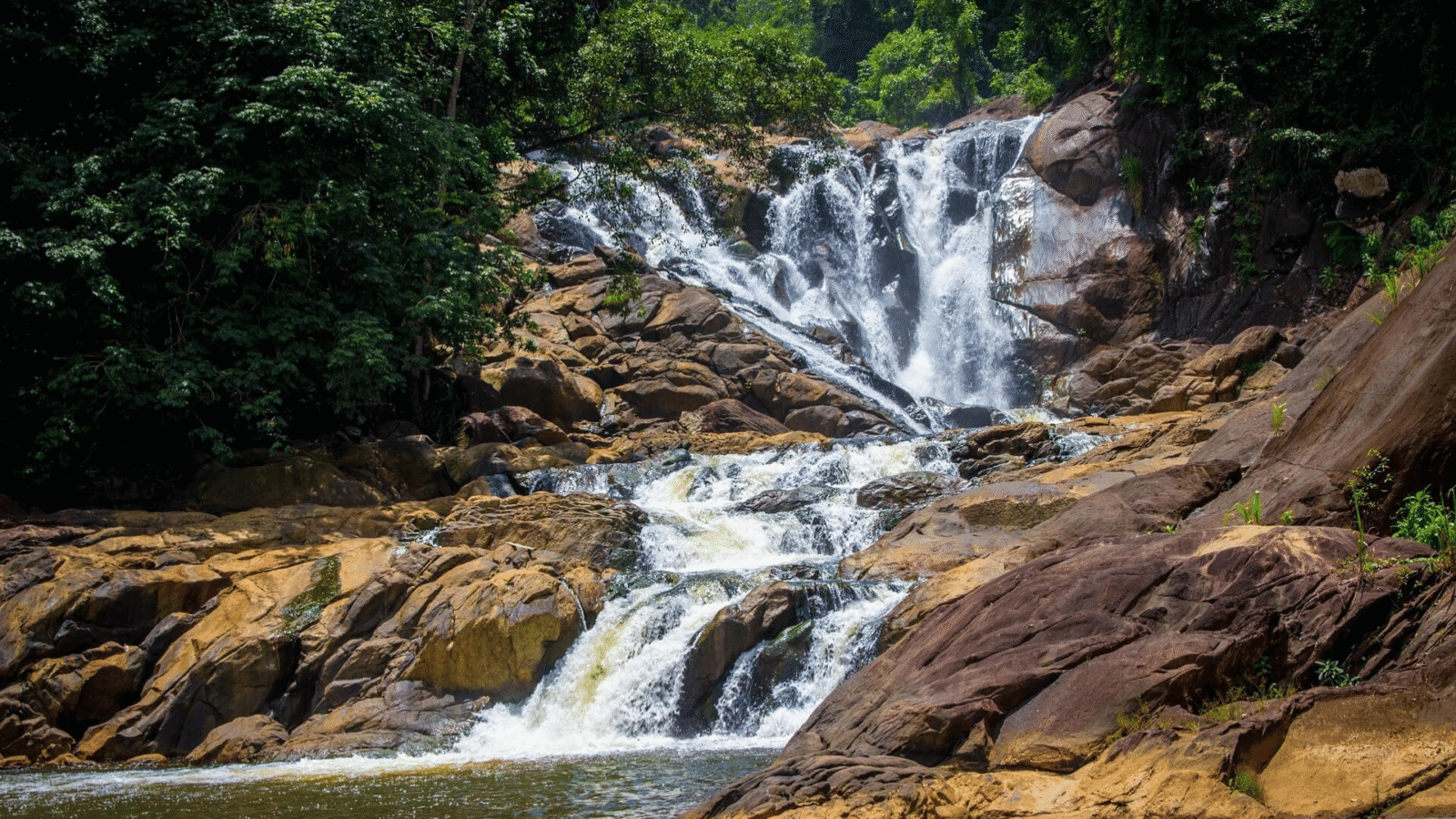
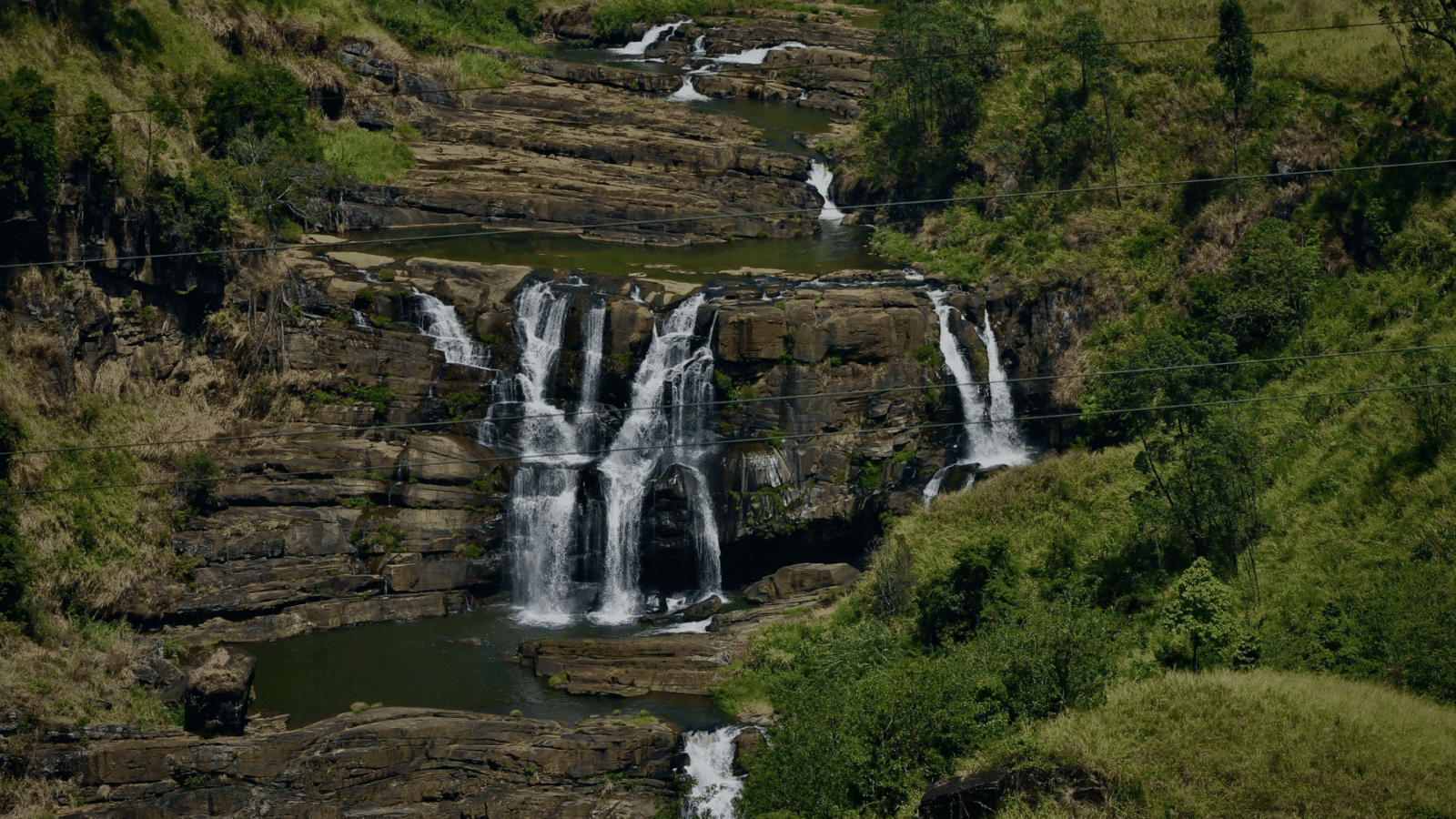
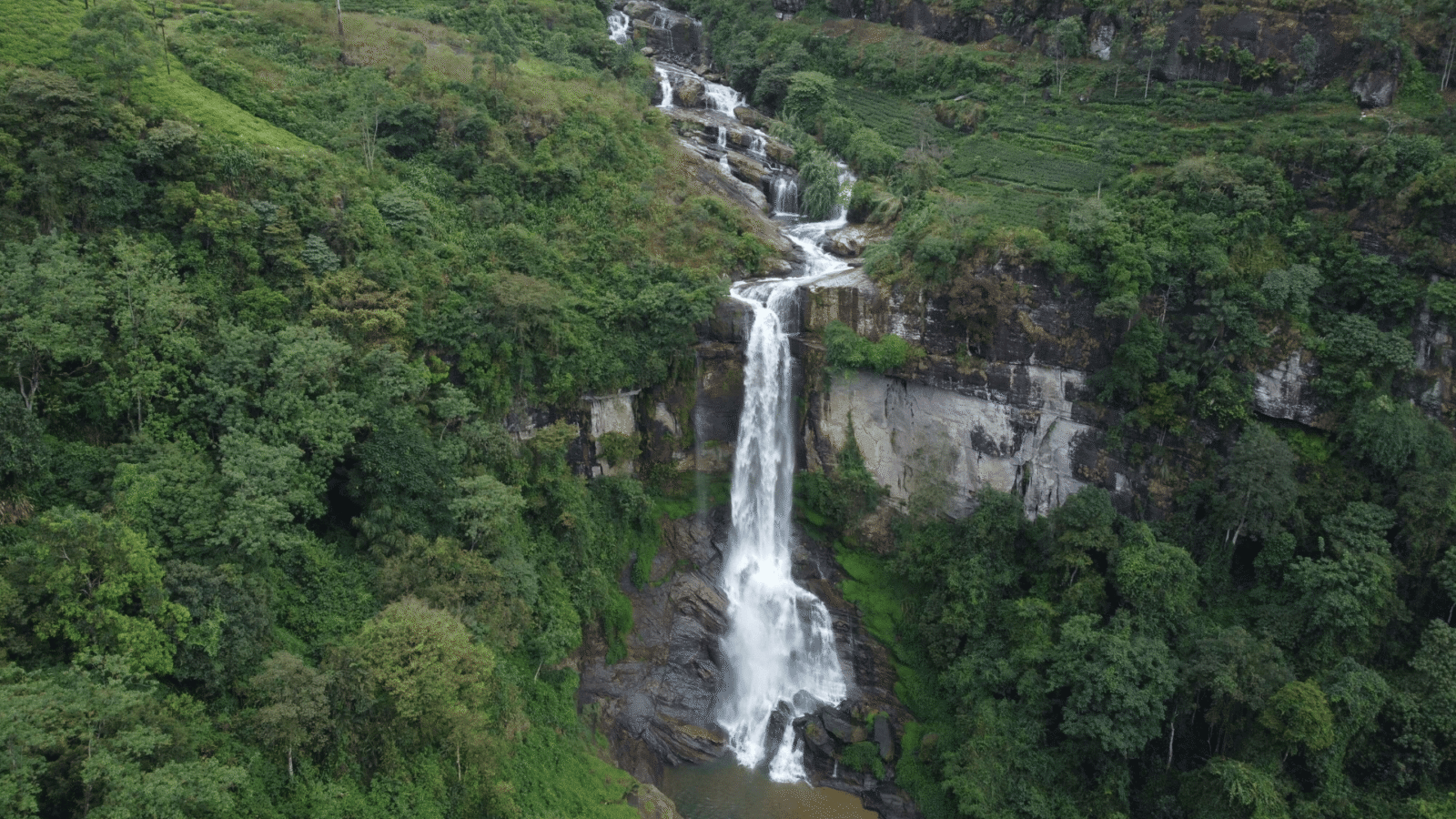
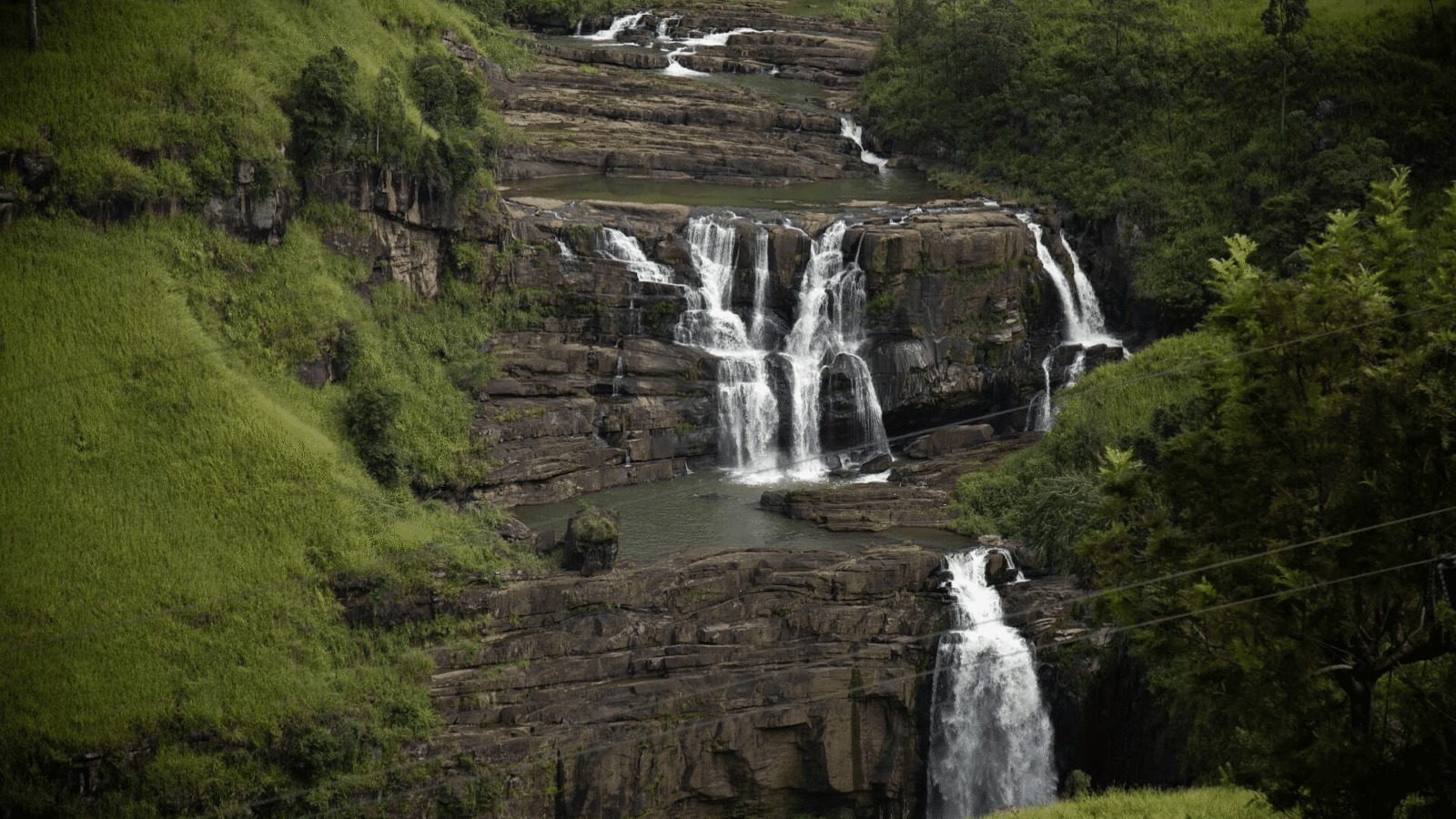
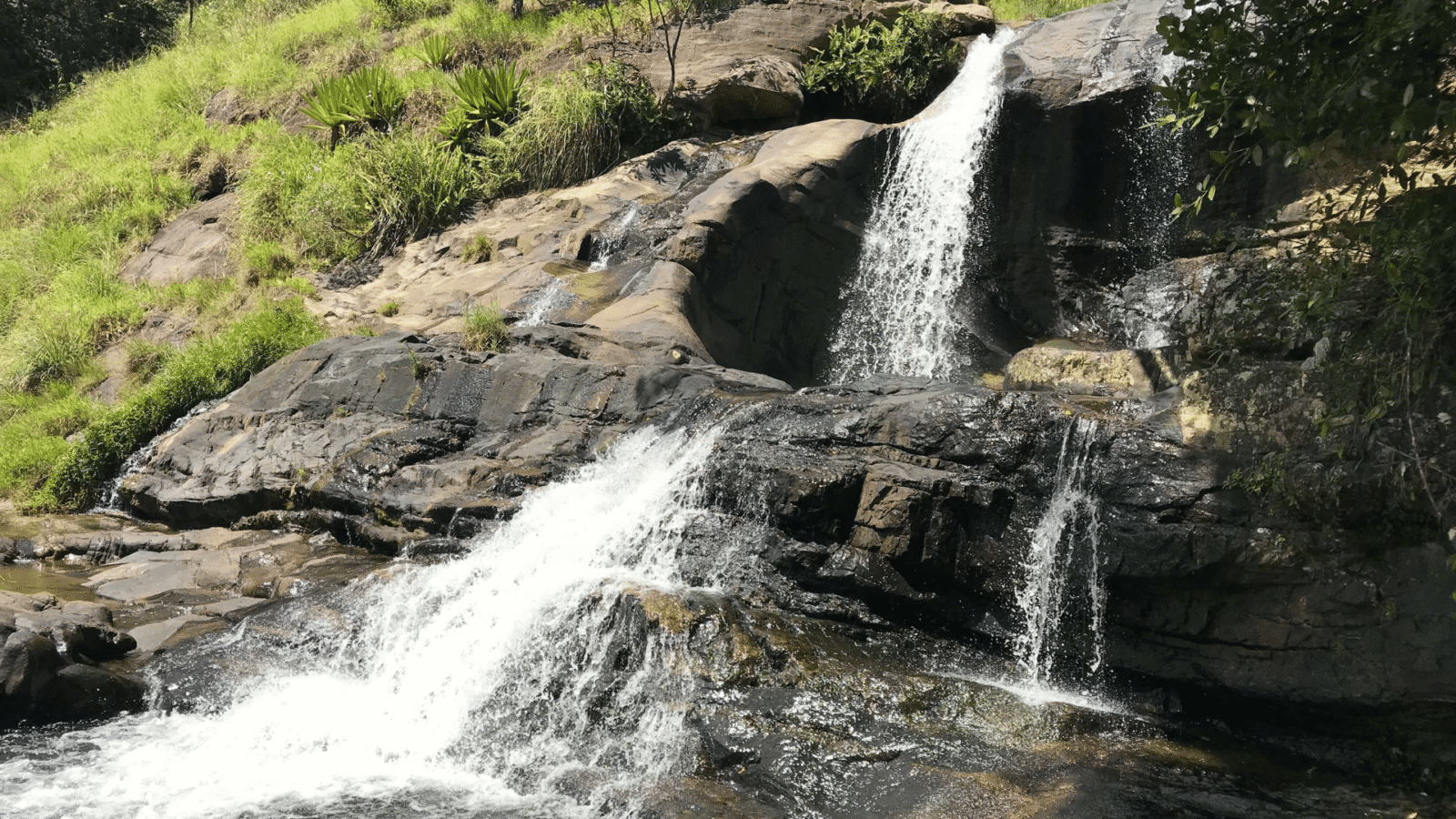
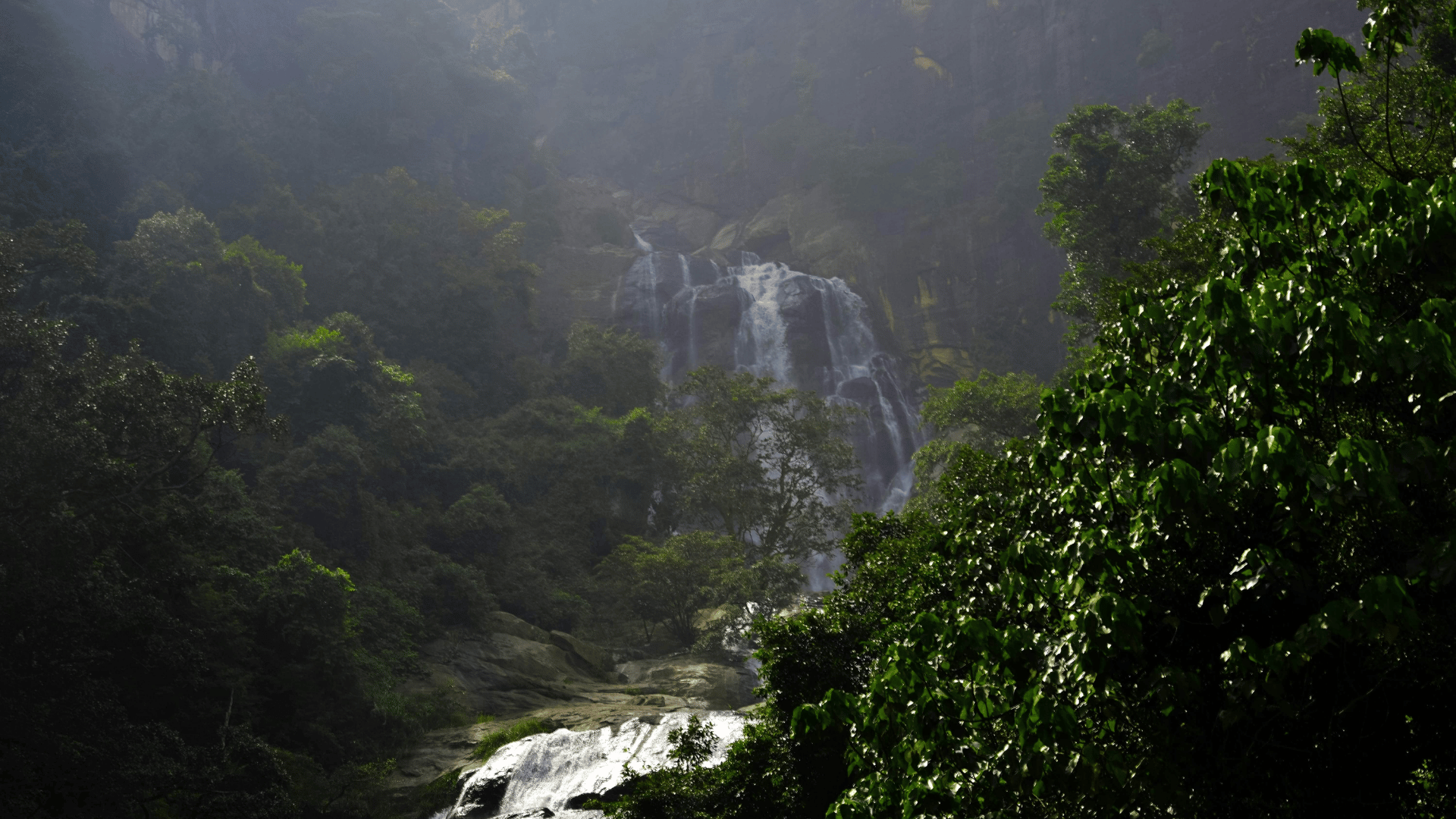
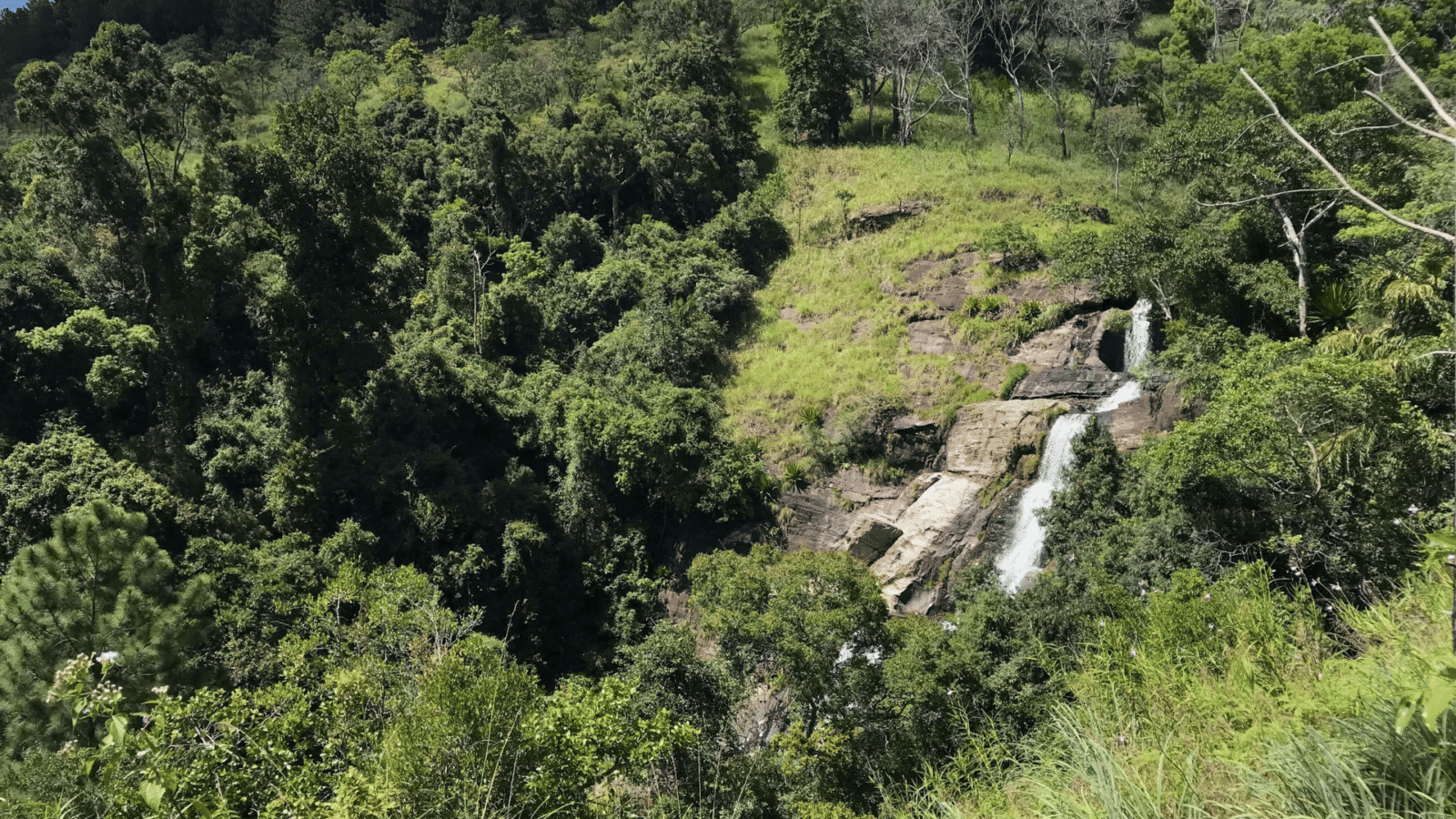
    Sri Lanka is home to more than 400 waterfalls, many of which are located in the island’s mountainous regions. These waterfalls are surrounded by lush forests and offer peaceful escapes into nature.

    Some of the most spectacular waterfalls include Bambarakanda Falls, the tallest waterfall in Sri Lanka, Diyaluma Falls, which features natural pools and scenic viewpoints, and Ravana Falls, located near Ella.

    Other beautiful waterfalls include Dunhinda Falls, St. Clair’s Falls, and Devon Falls, which are often visited during road trips through the hill country.

    These natural attractions are perfect for photography, hiking, and simply enjoying the beauty of Sri Lanka’s landscapes.

    Speak to our Travel Specialist

    Plan your dream trip to Sri Lanka with the help of our friendly local travel specialists.

    Free Chat with us

    Company Info

    Explore the beauty of Sri Lanka with Chinthaamani Tours. We provide comfortable transportation, customized travel routes, and unforgettable experiences across the island.

  • Cultural & Heritage Exploration

    Cultural & Heritage Exploration

    Cultural & Heritage Exploration

    Discover the Ancient Kingdoms of Sri Lanka

    Discover Sri Lanka’s Ancient History

    Sri Lanka’s history spans more than 2,000 years, and the island is home to many UNESCO World Heritage sites that showcase its cultural heritage.

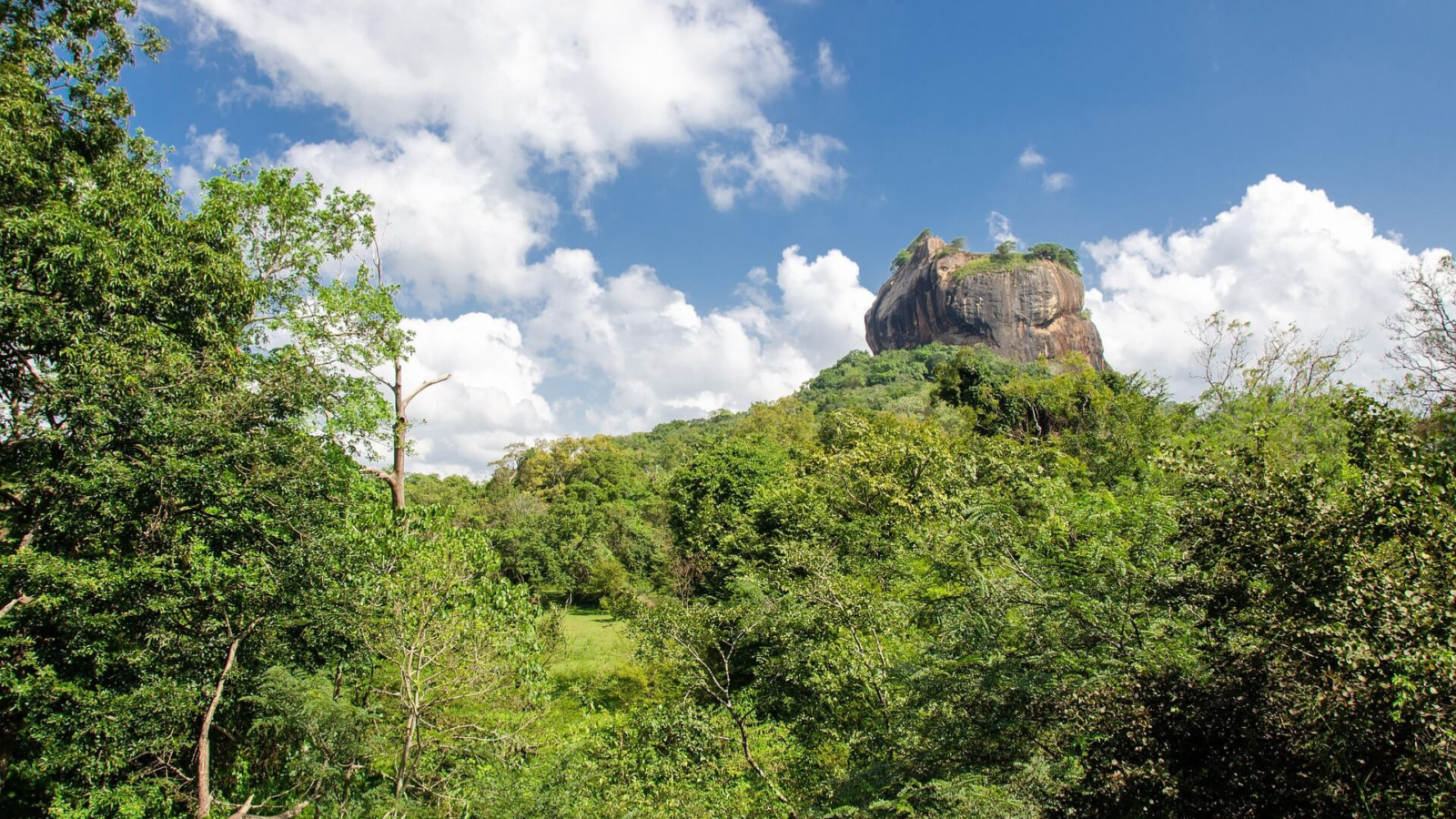
    The ancient rock fortress of Sigiriya, also known as Lion Rock, is one of the most famous historical landmarks in the country. Visitors can climb to the top to see ancient palace ruins and breathtaking views of the surrounding forests.

    The historic cities of Anuradhapura and Polonnaruwa were once powerful kingdoms filled with impressive temples, palaces, and massive stone sculptures.

    In Kandy, travelers can visit the sacred Temple of the Tooth Relic, one of the most important religious sites in Buddhism.

    Exploring these cultural landmarks allows visitors to understand Sri Lanka’s rich traditions, architecture, and spiritual heritage.

    Speak to our Travel Specialist

    Plan your dream trip to Sri Lanka with the help of our friendly local travel specialists.

    Free Chat with us

    Company Info

    Explore the beauty of Sri Lanka with Chinthaamani Tours. We provide comfortable transportation, customized travel routes, and unforgettable experiences across the island.

  • Hiking and Nature Adventures

    Hiking and Nature Adventures

    Hiking and Nature Adventures

    Explore Sri Lanka’s Natural Beauty on Foot

    Explore Sri Lanka’s Mountains and Forest Trails

    Sri Lanka is home to many spectacular hiking destinations that offer incredible views and unforgettable nature experiences.

    One of the most popular hiking spots is Little Adam’s Peak in Ella, which provides panoramic views of the surrounding mountains and tea plantations. Nearby Ella Rock offers a more challenging hike but rewards travelers with breathtaking scenery.

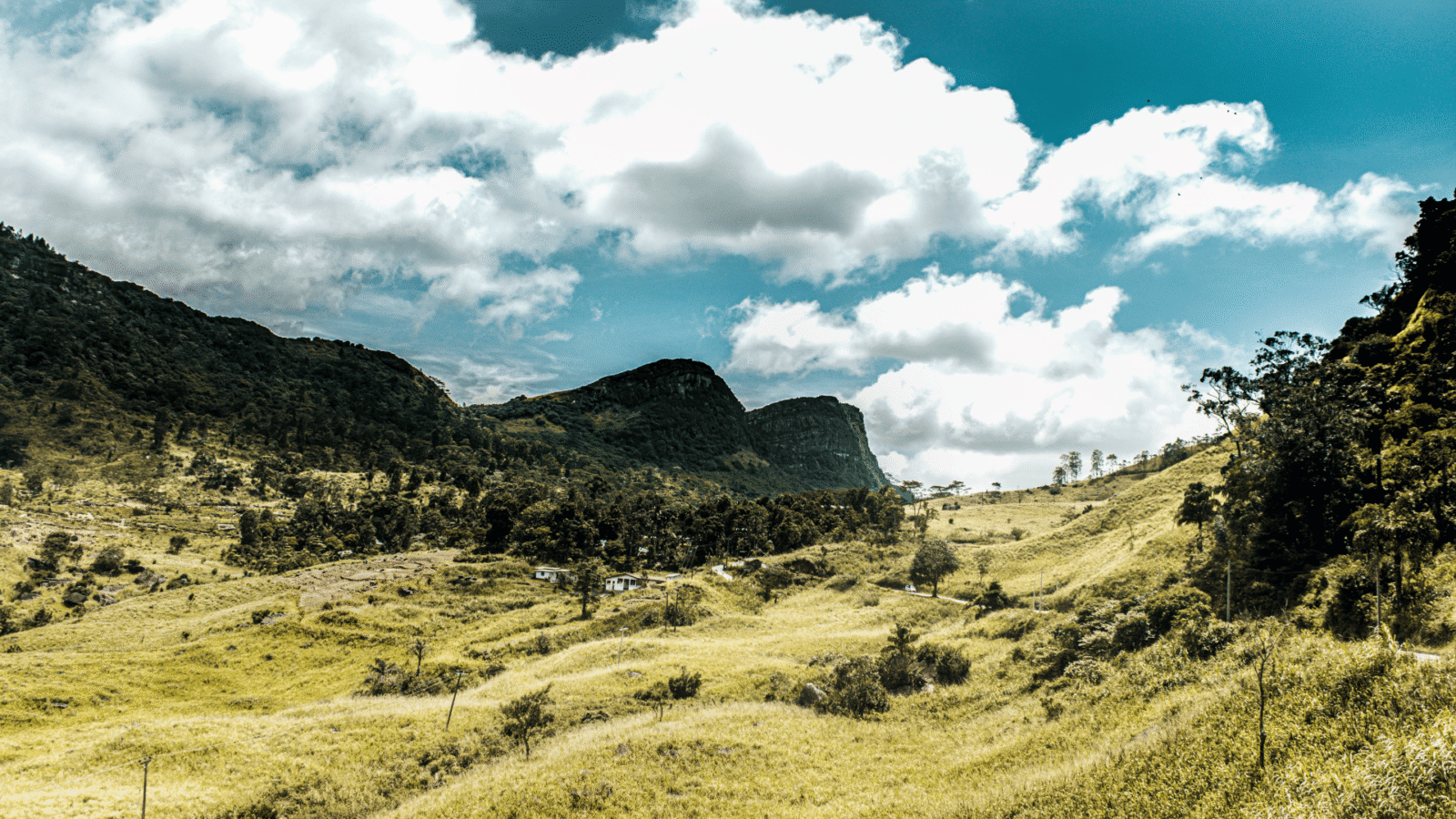
    For a truly unique experience, visitors can hike through Horton Plains National Park to reach World’s End, a dramatic cliff that overlooks vast valleys and forests.

    Other notable hiking destinations include Adam’s Peak (Sri Pada), a sacred mountain climbed by pilgrims and travelers alike, and Knuckles Mountain Range, known for its rich biodiversity and untouched natural landscapes.

    Hiking in Sri Lanka allows visitors to experience the island’s natural beauty up close while enjoying fresh mountain air and peaceful surroundings.

    Speak to our Travel Specialist

    Plan your dream trip to Sri Lanka with the help of our friendly local travel specialists.

    Free Chat with us

    Company Info

    Explore the beauty of Sri Lanka with Chinthaamani Tours. We provide comfortable transportation, customized travel routes, and unforgettable experiences across the island.

  • Train Journeys

    Train Journeys

    Scenic Train Journeys

    One of the Most Beautiful Train Rides in the World

    Travel Through Some of the World’s Most Beautiful Landscapes

    Sri Lanka’s train journeys are considered among the most scenic railway experiences in the world. The most famous route runs between Kandy and Ella, passing through misty mountains, lush tea plantations, waterfalls, and charming villages.

    The slow pace of the train allows travelers to fully enjoy the surrounding landscapes while capturing incredible photographs along the way. The journey passes iconic locations such as the Nine Arch Bridge, one of Sri Lanka’s most famous landmarks.

    Other beautiful train routes include Colombo to Kandy, which offers views of rivers and countryside, and Nanu Oya to Ella, which passes through the heart of Sri Lanka’s hill country.

    These train journeys offer a unique and relaxing way to explore the island’s natural beauty.

    Speak to our Travel Specialist

    Plan your dream trip to Sri Lanka with the help of our friendly local travel specialists.

    Free Chat with us

    Company Info

    Explore the beauty of Sri Lanka with Chinthaamani Tours. We provide comfortable transportation, customized travel routes, and unforgettable experiences across the island.